Campus Unrest &
Institutional Change
Amid the 1970 ROTC Takeover
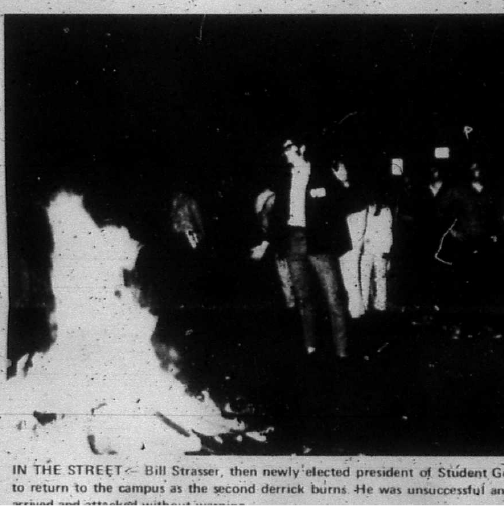
In the spring of 1970, protests were a constant activity of Seton Hall Students. Students planned and organized anti-draft petitions, protests outside the houses of draft board members, and organized a weeklong environmental teach-in with faculty. The culmination of these protests was the takeover of ROTC headquarters by the “Coalition” on May 5, 1970. While these events reflected local tensions within Newark and South Orange, New Jersey, they were also part of a broader wave of student activism that swept across the United States.
The late 1960s and early 1970s were a time of change at Seton Hall University. The University underwent new leadership, expanded opportunities for women, and a student body increasingly aware of national issues. Student, faculty, and alumni responses at Seton Hall University to the U.S.-Cambodian invasion and the shooting at Kent State reveal how a Catholic university was transformed by national unrest, shifting cultures, and growing student activism. Seton Hall University experienced significant political polarization during 1969 and 1970, as conflicts between anti-war student activists and conservative administrators, faculty, and alumni created a period of instability and institutional tension.